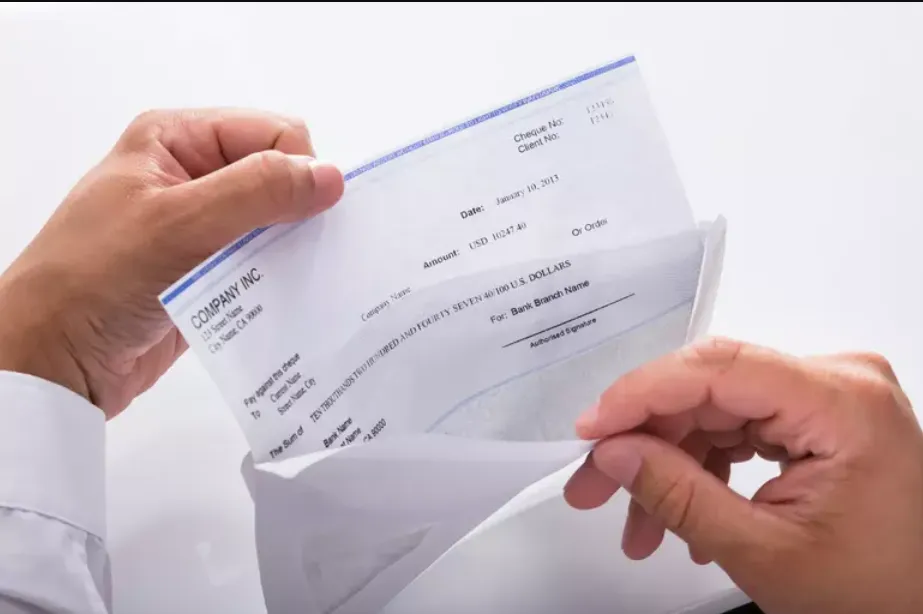
So I got my first salary slip and honestly thought I’d made some genius-level calculation error. Did the math in my head real quick: took the monthly figure, multiplied by 12, felt pretty good about myself. Checked my bank account later and just stared at the screen because the number was roughly 18% less than expected.
Turns out I’m kinda an idiot.
I completely forgot about tax deductions. Your employer can’t just transfer your full salary even if they wanted to. The government requires them to slice off taxes before you ever see that money. Most fresh employees experience this same confusion. You might have ₹50,000 written in your offer letter, but what actually shows up could be ₹43,000 or possibly even less.
What Actually Gets Deducted
Your salary package is honestly way more complicated than I initially realized, and I spent 47 minutes on the phone with HR trying to decode the whole thing.
Basic salary gets hit with full taxation. Same goes for your dearness allowance component. But then you’ve got things like HRA that can provide some relief if you’re actually paying rent somewhere. I’d recommend understanding how to calculate tax on salary before you start mentally allocating that CTC toward a new gaming console or weekend trips.
People mix up gross salary with net salary constantly. Gross means the total before anything gets removed. Net is the actual amount that appears in your bank account, and that gap mostly consists of taxes plus provident fund contributions plus professional tax.
The Math Nobody Teaches You
Start with your total yearly package number. Then subtract whatever allowances are exempt from tax (certain transport allowances qualify, meal vouchers sometimes do too). What remains is your taxable income figure. And that’s when the slab system kicks in.
For FY 2025-26, earning up to ₹4 lakh annually means zero tax burden. Between ₹4-8 lakh, you’re looking at 5% taxation. The percentage keeps climbing as your income grows higher. I personally switched over to the new tax regime because my calculations showed it gave me lower rates overall.
But here’s something I genuinely wish someone had explained earlier: your taxable income can actually be reduced through smart planning. Putting money into PPF, ELSS funds, or even making home loan repayments can decrease what you ultimately owe the government. My colleague managed to save ₹23,400 last year purely through properly utilizing his 80C deductions.
Why This Actually Matters
Budgeting properly becomes impossible when you don’t know your real income. I tried securing a flat rental once, confidently told the landlord I could handle ₹18,000 monthly rent. Realized later my actual take-home after every deduction was significantly lower. Had a pretty awkward follow-up conversation.
And another thing: employers mess up sometimes too. I caught a TDS calculation error in March 2024 where they’d applied the wrong tax slab. Filed my ITR and got ₹5,200 back as a refund. Would’ve completely missed that money if I hadn’t learned to double-check these numbers myself.
Your payslip contains everything you need: gross earnings, itemized deductions, net pay figure, and year-to-date running totals. I spend around 10 minutes monthly just going through mine now. Sounds incredibly boring, but this habit has actually prevented me from overpaying taxes on two separate occasions already. Plus you genuinely feel more in control when you actually comprehend where your money flows each month.