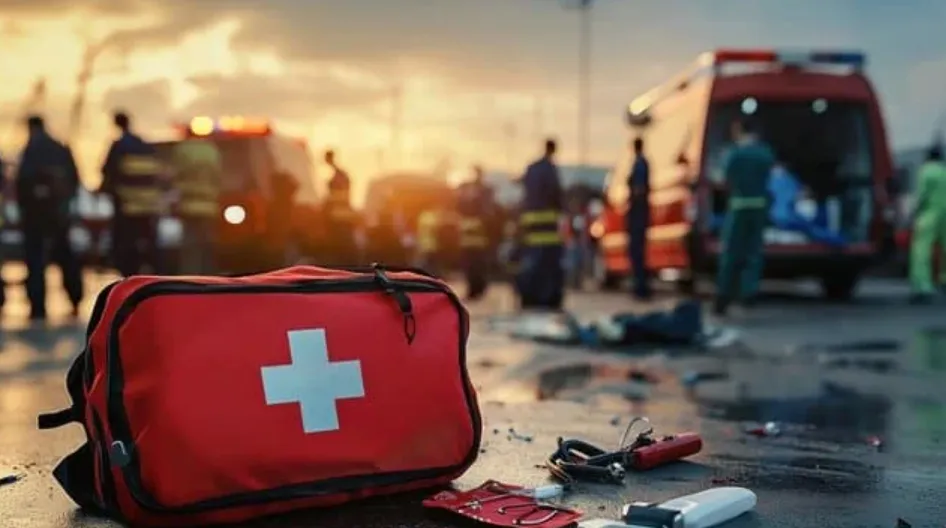
Emergencies frequently occur suddenly and can occur at any time. A fall at home, a sudden allergic reaction at school, or a workplace accident can quickly become serious if immediate care is not provided. Knowing how to respond in those crucial first moments can make a significant difference in protecting health and even saving lives. This is why enrolling in first aid Maitland training is becoming a priority for residents who want to be prepared for unexpected situations.
The Importance Of Immediate Response
During a medical emergency, the first few minutes are critical. Before professional medical services arrive, the actions taken by bystanders can prevent a situation from worsening. First aid education teaches individuals how to remain calm, assess the scene, and prioritise care. This structured approach reduces panic and ensures the injured person receives appropriate support while waiting for emergency responders.
Participants learn to recognise life-threatening conditions such as severe bleeding, breathing difficulties, burns, fractures, and shock. With this knowledge, they can take prompt action to stabilise the affected person and reduce the risk of complications.
Developing Confidence To Act Under Pressure
One of the biggest barriers during emergencies is hesitation. People often worry about doing the wrong thing, which can delay critical assistance. Training programs emphasise hands-on practice and real-life simulations to build confidence and muscle memory.
Learners practice bandaging wounds, managing bleeding, assisting someone who is choking, and placing individuals in recovery positions. Repeated practice helps participants respond instinctively rather than freeze in stressful situations. Confidence gained through training allows individuals to act quickly and effectively when it matters most.
Life Saving Skills Through CPR Training
Cardiac arrest can happen unexpectedly and abruptly. When the heart stops beating effectively, oxygen supply to the brain is interrupted, making immediate intervention vital. CPR training Maitland equips participants with the skills needed to respond to cardiac emergencies by performing chest compressions and rescue breathing.
Additionally, training covers the use of automatic external defibrillators (AEDs), which are becoming more and more common in public areas. Understanding how to use these devices safely can dramatically improve survival chances. Learning CPR ensures that participants are prepared to assist family members, coworkers, or strangers during a life-threatening cardiac event.
Real World Scenarios And Practical Application
First aid courses are designed to reflect real-life situations that individuals may encounter at home, in public places, or at work. Training often includes scenarios such as responding to sports injuries, assisting someone who has fainted, managing burns from kitchen accidents, or supporting a person experiencing a seizure.
These practical exercises help learners apply theoretical knowledge in realistic environments. By simulating emergencies, participants gain experience in decision-making, communication, and prioritising care, all of which are essential during actual incidents.
Supporting Workplace And Community Safety
Employers increasingly recognise the value of trained staff who can respond to emergencies. Having trained first aiders on site helps workplaces meet safety obligations and provides peace of mind to employees and visitors. Many industries, including construction, childcare, hospitality, and education, encourage or require staff to hold current certification.
Completing first aid and CPR courses Maitland not only enhances workplace readiness but also strengthens community safety. Neighbourhoods are better prepared to handle emergencies in public areas, athletic events, and community meetings when more people are trained.
Preparedness For Family And Everyday Life
First aid training extends beyond professional environments. Parents, caregivers, and guardians benefit from knowing how to respond to childhood injuries, allergic reactions, or choking incidents. Elderly family members may also require urgent care during falls or medical episodes.
Being prepared means individuals can act immediately rather than waiting helplessly for assistance. The skills gained provide reassurance and a sense of control during stressful moments, helping protect loved ones when it matters most.
Staying Current With Updated Guidelines
Medical guidelines and emergency response techniques evolve over time. Certified training ensures participants learn the most current and effective practices. Refresher courses help maintain competency and keep skills sharp, ensuring individuals remain ready to respond confidently in emergencies.
Conclusion
Those who receive first aid training gain confidence, useful abilities, and the capacity to act appropriately in emergency situations. From managing minor injuries to performing life-saving CPR, the knowledge gained prepares participants for real-world situations at home, in the workplace, and within the community. By investing time in training, residents can become proactive protectors of safety, ensuring they are ready to act when every second counts.