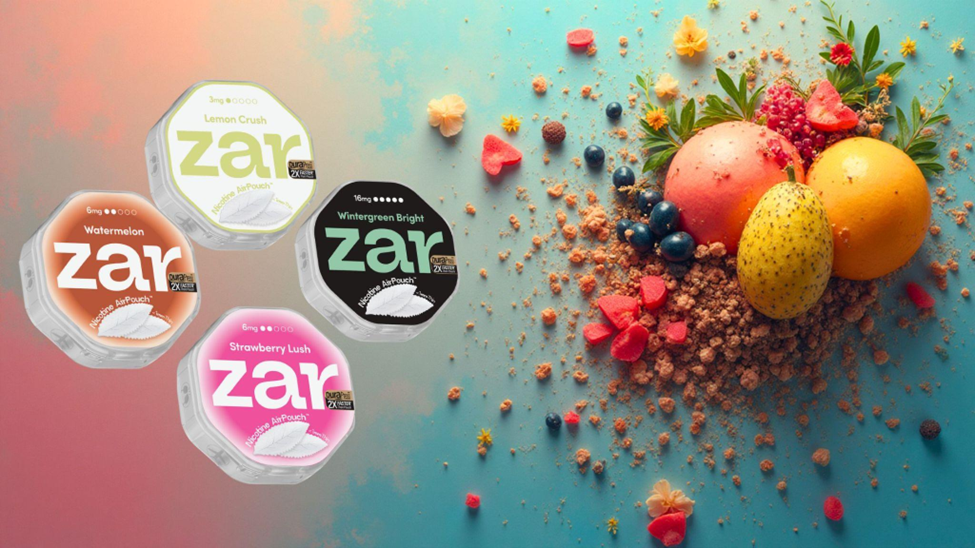
You want a mint that tastes the way you expect, but the same flavor name can land very differently depending on the format. That uncertainty creates a few common pain points: you cannot predict whether “mint” will feel icy or herbal, you get surprised by lingering aftertaste or irritation, and you spend money testing options that do not match your preferences. You will make smarter choices when you compare flavors based on pacing, mouthfeel, and finish, not just the name on the can. You may also see ZAR AirPouch while browsing options, but the bigger win is knowing how to judge any product by how it starts, develops, and fades. Start by scanning nicotine pouches flavors with that lens.
Contents
- 1 Flavor Perception Basics
- 2 Exposure Route Changes Flavor
- 3 Burst vs Gradual Release
- 4 Aftertaste and Residual Feel
- 5 Mint Profiles in Pouches
- 6 Cooling vs Mint Taste
- 7 Strength Labels Shift Flavor
- 8 Mouthfeel and Discreet Use
- 9 Vape Taste Profiles, Simplified
- 10 Common Vape Profile Terms
- 11 Harshness and Irritation Cues
- 12 Consistency and Flavor Fade
- 13 A Direct Comparison Framework
- 14 Flavor Families Translate Partly
- 15 What Drives Intensity
- 16 Finish and Lingering Effects
- 17 Industry-Style Flavor Guidance
- 18 Brand Categories as Reference
- 19 Label Cues That Matter
- 20 Neutral Vocabulary You Can Use
- 21 Conclusion
Flavor Perception Basics
Exposure Route Changes Flavor
Flavor is taste plus smell. With vapes, aroma often leads because you inhale it, so top notes show up fast. With pouches, your mouth leads first, and aroma builds more quietly. That is why nicotine pouches flavors can feel more taste-forward even when the label sounds familiar.
Burst vs Gradual Release
Pacing changes your impression as much as the recipe does. Many vapes feel immediate on the first draw, then settle. Pouches often ramp up over a few minutes and then hold steady. If one mint feels like a sharp burst and another feels smooth and controlled, you are usually noticing timing and release.
Aftertaste and Residual Feel
Your preference often shows up at the finish. A vape may leave a sweet or dry aftertaste after you exhale. A pouch may leave a cooling, a light sweetness, or a dry mouthfeel where it sits. When you compare nicotine pouches flavors to vape taste profiles, pay attention to what lingers after five to ten minutes, because that is where “this works for me” becomes clear.
Mint Profiles in Pouches
Cooling vs Mint Taste
Mint taste and cooling sensation are related but separate. Mint taste is the flavor note you would call peppermint or spearmint. Cooling is the cold-air feeling that can be strong even when the mint taste is mild. Words such as ice, cool, or freeze often point to stronger cooling than a stronger mint taste.
Strength Labels Shift Flavor
Strength tiers can change how mint reads. A faster onset can make mint feel sharper. A lighter tier can make the same mint feel smoother. Treat strength as part of the flavor experience because it affects pacing and aftertaste.
Mouthfeel and Discreet Use
Mouthfeel changes your focus. A slimmer pouch can feel less distracting, which makes flavor seem cleaner. A thicker pouch can pull attention and make cooling or sweetness feel heavier. If discreet use matters to you, comfort and fit can be as important as the flavor name.
Vape Taste Profiles, Simplified
Common Vape Profile Terms
Vape descriptions use familiar categories: fruit, candy, dessert, mint, and menthol. You also see the notes’ language. Top notes are what you notice first, body is the main character, and finish is what remains after you exhale.
Harshness and Irritation Cues
Harsh can mean different things. With vapes, it often points to throat irritation or dryness. With pouches, it may appear as gum tingling, an overly sharp cooling sensation, or dryness where the pouch rests. You will choose better when you name what harshness means for you.
Consistency and Flavor Fade
Vapes can shift across a session. Heat and airflow can change sweetness and intensity, which is why some users notice flavor fade. Pouches often feel steadier once they settle in, but the finish still depends on how long you keep one in place.
A Direct Comparison Framework
Use this table to translate what you like without forcing a perfect match.
| Dimension | Pouch Experience | Vape Experience |
| First impression | Taste and mouthfeel lead | Aroma often leads |
| Onset | Often gradual | Often immediate |
| Cooling | Can be separate from the mint taste | Often tied to a strong mint aroma |
| Consistency | Typically steady | Can vary by session conditions |
| Finish | Cooling or sweetness may linger | Sweetness or dryness may linger |
Flavor Families Translate Partly
Mint and menthol usually translate best, but pouches often separate the mint taste from the cooling more clearly. Fruit can translate, but it may feel less aromatic because you are not inhaling it. Dessert profiles are harder to match because creaminess is often an aroma effect in vaping.
What Drives Intensity
Intensity is a mix of ramp speed, cooling strength, sweetness level, and aftertaste length. A simple way to compare is to rate each product on three scales from 1 to 5: sweetness, cooling, and linger. That makes it easier to pick nicotine pouches flavors that match your preferences without chasing an exact copy.
Finish and Lingering Effects
Try three checkpoints. At minute one, name the main impression: bright, sweet, herbal, or icy. At minute five, check whether it stayed stable. At the end, identify what remains: cooling, sweetness, dryness, or a clean fade.
Industry-Style Flavor Guidance
Brand Categories as Reference
Store categories can keep you honest about what you are comparing. ZAR AirPouch groups mint-forward options, including Fresh Mint, Spearmint Fresh, and Wintergreen Bright, and its Fresh Mint line is available in multiple strengths (3mg, 6mg, 9mg, 16mg, and 35mg). JUUL is closely tied to pod-based vaping, and Elf Bar is closely tied to disposable vapes, so their flavor descriptions usually emphasize inhaled aroma and throat feel. At the same time, a pouch lineup leans on mouthfeel, cooling sensation, and aftertaste.
If you want quick, trustworthy background reading while you build your own vocabulary, these are good starting points: Merck Manual on how smell and taste work together, Journal of Neuroscience on TRPM8 and oral cooling, and the CDC’s MMWR summary on flavored e-cigarette use.
Label Cues That Matter
Focus on cues that predict experience:
- Mint type: spearmint often reads smoother, wintergreen often reads deeper, and “fresh mint” usually aims for a crisp finish.
- Cooling words: ice, cool, or freeze often signal stronger cooling than a stronger mint taste.
- Strength tiers: higher tiers can feel sharper and can shorten the time to peak sensation.
Neutral Vocabulary You Can Use
Use terms that work across formats. Bright means crisp and clean. Round means smooth and less sharp. Icy means cooling-forward. Dry means less sweet with a cleaner finish. Clean fade means little aftertaste.
Conclusion
You will get better results by comparing exposure route, pacing, and finish rather than chasing a perfect one-to-one match. Decide whether you want sweetness, cooling, or a clean fade, then use the three checkpoints to confirm what you enjoy. Once you can describe your preferred finish and intensity, reviewing nicotine pouch flavors becomes less trial-and-error and more a confident shortlist.