Keeping hydrated is one of the most important things that can improve an athlete’s performance. The appropriate hydration strategy on the football field, basketball court, or marathon track can spell the difference between winning and losing. Hydrating impacts endurance, stamina and cognitive function, reaction time and muscle recovery too.
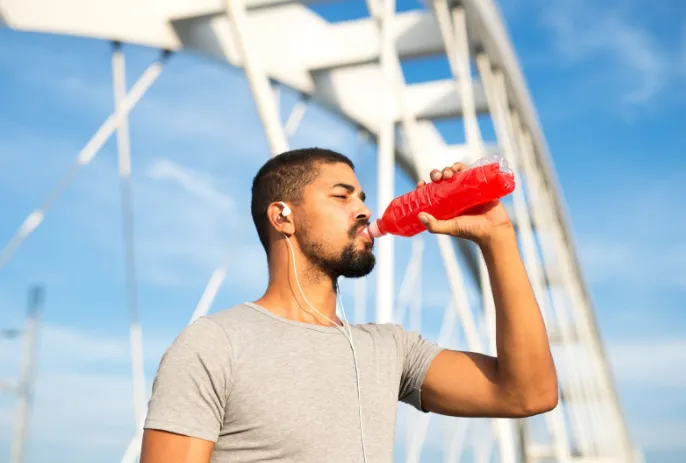
If an athlete ignores hydration, their performance will suffer as will fatigue and the chances of injury will increase. While training, nutrition, and recovery take center stage for many athletes, hydration is still one aspect that should be a priority. Melbet provides sports fans with additional information about professional games, which makes it easier to understand the importance of hydration in sports.
Contents
- 1 Why Hydration Matters in Sports
- 2 What Athletes Drink to Stay Hydrated
- 3 Water – The Foundation of Hydration
- 4 Sports Drinks – Electrolyte Replenishment
- 5 Coconut Water – A Natural Alternative
- 6 Protein Shakes – Hydration and Recovery
- 7 Energy Drinks – A Controversial Choice
- 8 Milk – Surprisingly Effective
- 9 Infused Water and Herbal Teas – Hydration with a Twist
- 10 Hydration Strategies for Athletes
- 11
- 12 The Role of Social Media in Hydration Awareness
- 13 Conclusion
Why Hydration Matters in Sports
The human body has approximately 60% water composition, and thus even slight dehydration can lead to fatigue, dizziness, poor muscle performance, and decreased productivity. Losing only 2% of body weight in bodily fluid can negatively impact an athlete’s strength and endurance. While sweating, athletes need to replace sodium, potassium, calcium, and magnesium as these elements are crucial while performing optimally.
Increased heart rate, poor coordination, and lagging reaction times – all results of dehydration, which are pivotal in high intensity sports. This is the main reason why professional athletes manage their hydration to maintain top performances.
What Athletes Drink to Stay Hydrated
Hydration needs to vary greatly depending on the sport, intensity, and duration of physical activity. Athletes participating in endurance events require different fluid intake compared to those in short, high-intensity bursts of effort. Understanding the unique hydration demands of different sports can help athletes optimize their performance and recovery. Here’s a look at what top athletes drink to maintain their edge:
Water – The Foundation of Hydration
Water is important to any athlete as it is the easiest drink and the most important one too. It helps in refreshing the body by controlling the temperature and moving around nutrients. At the same time, it is important to know that while water is vital, it might not be enough during long hours of exercise especially in endurance sports. Athletes are supposed to combine water with drinks containing electrolytes for them to avoid situations where muscle cramps or exhaustion sets in.
Sports Drinks – Electrolyte Replenishment
Sports drinks, for example Powerade or Gatorade, have been specially created to restore lost electrolytes. They also have sodium and potassium which has the function of fluid balance in the body together with carbohydrates which provide instant energy. Sportsmen who participate in endurance activities like long distance sprints, cycling, or tri-athlons rely on these drinks the most to stay hydrated and avoid tired muscles. However they contain high levels of sugar and thus should only be used in moderation.
Coconut Water – A Natural Alternative
Coconut water is the healthiest selection of athletes. They prefer it over commercialized sports drinks because it is abundant in potassium and other electrolytes. Coconut water’s low sugar and zero artificial additives levels help aid in exercising muscle replenishment and rehydration, making it more suitable for consumption. Lower body mass index (BMI) athletes even use coconut water post workouts to facilitate muscle recovery and rehydration.
Protein Shakes – Hydration and Recovery
Protein shakes enable the nutrition and hydration muscles need after a strenuous workout, enabling repair. In addition to helping in muscle recovery, they also assist in hydration. When combined with milk or water, these shakes also ensure the delivery of pivotal nutrients like proteins and amino acids that enable muscle growth. They are best consumed after physical activity, when fluid loss is high and muscle repair is critical.
Energy Drinks – A Controversial Choice
Energy drinks are popular among specific athletes who might appreciate the caffeine jolt for a sharp lift in concentration and alertness. As with all stimulants, energy drinks will give a temporary boost, but their negative long-term effects can be troubling. Burnout or Anorexia Athletica are two diagnoses that may arise from excessive energy drink consumption. There is also a lower likelihood of hydration with high sugar and caffeine intake. It is crucial for athletes to monitor their overall health by drinking enough water to combat the sugar and caffeine induced dehydration.
Milk – Surprisingly Effective
Mud’s been given with milk many times by participants of exercise during and after for various reasons. Recently, it has been shown to have relevance to post workout recovery, along with chocolate milk. It has other nutrients like carbs, protein, and electrolytes which assist in the muscle recovery process. Furthermore, milk also contains calcium and vitamin D, which are extremely helpful in strengthening bones. This is important for sports athletes who undergo heavy training.
Infused Water and Herbal Teas – Hydration with a Twist
Infused water and herbal tea are fun ways to stay hydrated and athletes can opt for these if they are looking for some variation to their usual hydration routine. Water that has fruits, herbs, or electrolytes mixed in is not only appetizing but also nutritious. Herbal teas, including chamomile and peppermint, can keep you hydrated while simultaneously helping with digestion and encouraging relaxation.
Hydration Strategies for Athletes
Staying hydrated isn’t just about what athletes drink—it’s about when and how they do it. Here are key strategies that professionals follow:
- Pre-Hydration: Athletes begin hydrating hours before their event or training session to ensure their fluid levels are optimal.
- During Exercise: Sipping small amounts of water or sports drinks every 15-20 minutes helps maintain hydration levels.
- Post-Exercise Replenishment: Replacing lost fluids within 30 minutes of finishing a workout is crucial for recovery.
- Monitoring Hydration Levels: Checking urine color, body weight, and energy levels can help determine whether an athlete is properly hydrated.
The Role of Social Media in Hydration Awareness
Sportsmen and major sports institutions frequently utilize accounts such as Melbet Instagram for them to give proper insight regarding their workout routines, including the critical factor of hydration. These accounts allow for real-time showcasing of best practices, which include hydration methods, recovery techniques, and even professional advice directed at both advanced and novice level athletes. Followers can appreciate the lives of their favorite sportsmen and sportswomen and how much hydration affects their day-to-day activities.
Moreover, people who have more advanced knowledge and experience teach and coach other individuals directly through social media through scientific articles and other supportive means they possess, which makes them able to share and educate people on hydration through social media In turn, social media assists in sustaining the education of fans and young sportsmen and women on how important hydration is alongside the recommended practices, therefore uniting practical dimensions of sport and its science.
Conclusion
Staying hydrated is vital for anyone striving for sporting achievement. Athletes can choose from a diverse selection of fluids, including water, sports drinks, protein shakes, and even coconut water, to maintain fluid balance and optimize performance. Through proper hydration techniques and following the right sources like Melbet, anyone interested in sports can learn how professionals manage optimum productivity. Knowing the impact hydration has on sports and using this information, children, even casual listeners, can appreciate the game’s many dimensions.